
Dog Leashes for Strong Dogs and Better Control
Explore dual-handle, shock-absorbing, reflective, and hands-free dog leashes built for strong dogs, traffic control, daily walks, and outdoor use.
Shop HarnessesShowing all 2 results
Buying guide
How to choose leashes
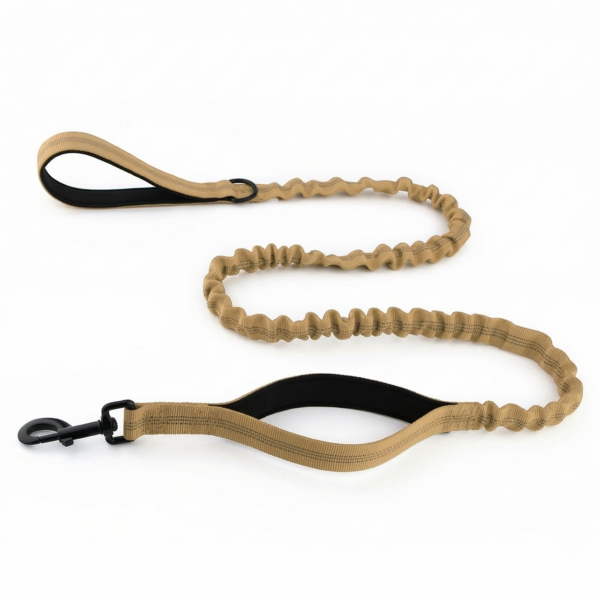
Choose a dog leash around the moments when you need control. A standard hand loop works for everyday walking, while a second traffic handle gives a shorter grip near crossings, crowded paths, or other brief close-control situations. A shock-absorbing section can soften sudden changes in tension, but it also introduces movement, so the handler still needs a stable grip and enough distance from traffic or trail edges. Hands-free configurations are most appropriate when the dog already walks predictably and the attachment is adjusted so it cannot loosen or interfere with the handler’s stride.
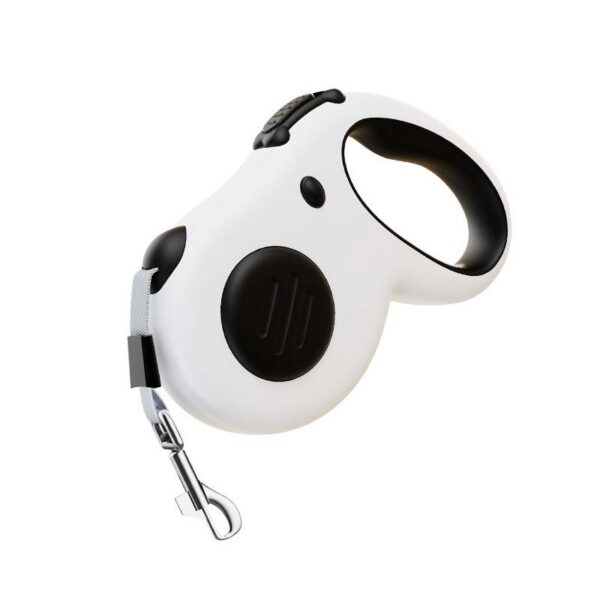
Length changes how much freedom and reaction time both dog and handler have. Shorter settings are practical around streets and people; longer settings can provide room on open trails where local leash rules and conditions allow it. Check that the clip fits the harness or collar D-ring without binding. Before each outing, inspect the clip gate, stitching, webbing, elastic section, and every adjustment point. Replace the leash if hardware no longer closes reliably or if the material is deeply frayed, cut, or damaged by chewing.
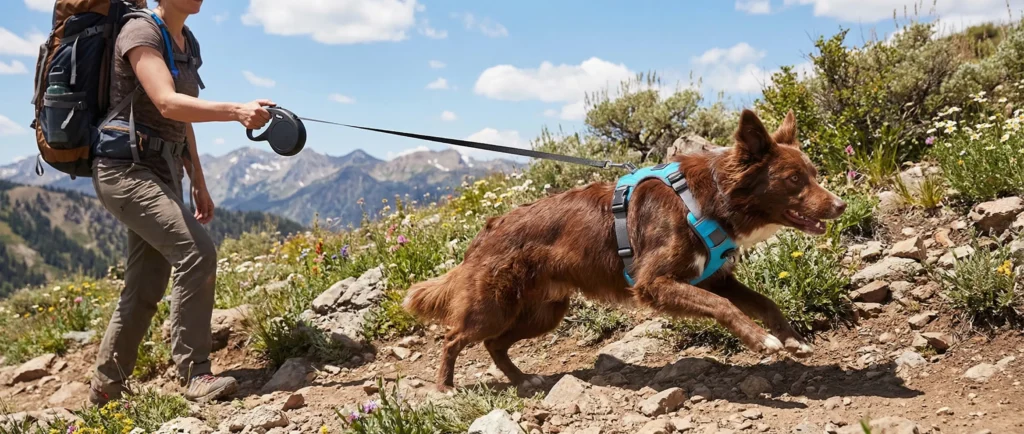
Reflective webbing is useful only when it catches available light, so pair it with good route choices and other visibility measures for night walks. For hiking, carry water, waste bags, identification, and a backup restraint appropriate to the route. A stronger leash can make handling more comfortable, but it cannot compensate for poor fit, unsafe surroundings, or a lack of training. Match the leash to your dog’s size, behavior, and the primary attachment point you plan to use.